
How a Digital Marketing Agency in Pakistan Transforms Local Businesses
Ask any founder in Karachi, Lahore, or Islamabad what keeps them up at night, and “finding new customers” almost always makes the list. In 2026, the answer to that problem increasingly runs through the internet — and that is exactly why partnering with a capable digital marketing agency in Pakistan has become one of the smartest moves a growing business can make.
This article walks through what these agencies actually do, how they price their work, and how to tell a genuine growth partner from a budget-draining time-waster. If you’ve been burned before or simply don’t know where to start, read on.
What a Digital Marketing Agency in Pakistan Actually Does
The phrase “digital marketing” covers a lot of ground, and a good agency stitches those pieces into one coherent strategy. Rather than selling you a single service, a strong Digital Marketing Agency in Pakistan looks at your entire funnel — from the moment someone discovers your brand to the moment they become a repeat customer.
Core services typically include:
- Search engine optimization (SEO) to rank your website for the terms buyers search.
- Pay-per-click advertising on Google, Meta, and TikTok for immediate visibility.
- Social media management to build community and stay top-of-mind.
- Content creation — blogs, videos, and graphics that educate and convert.
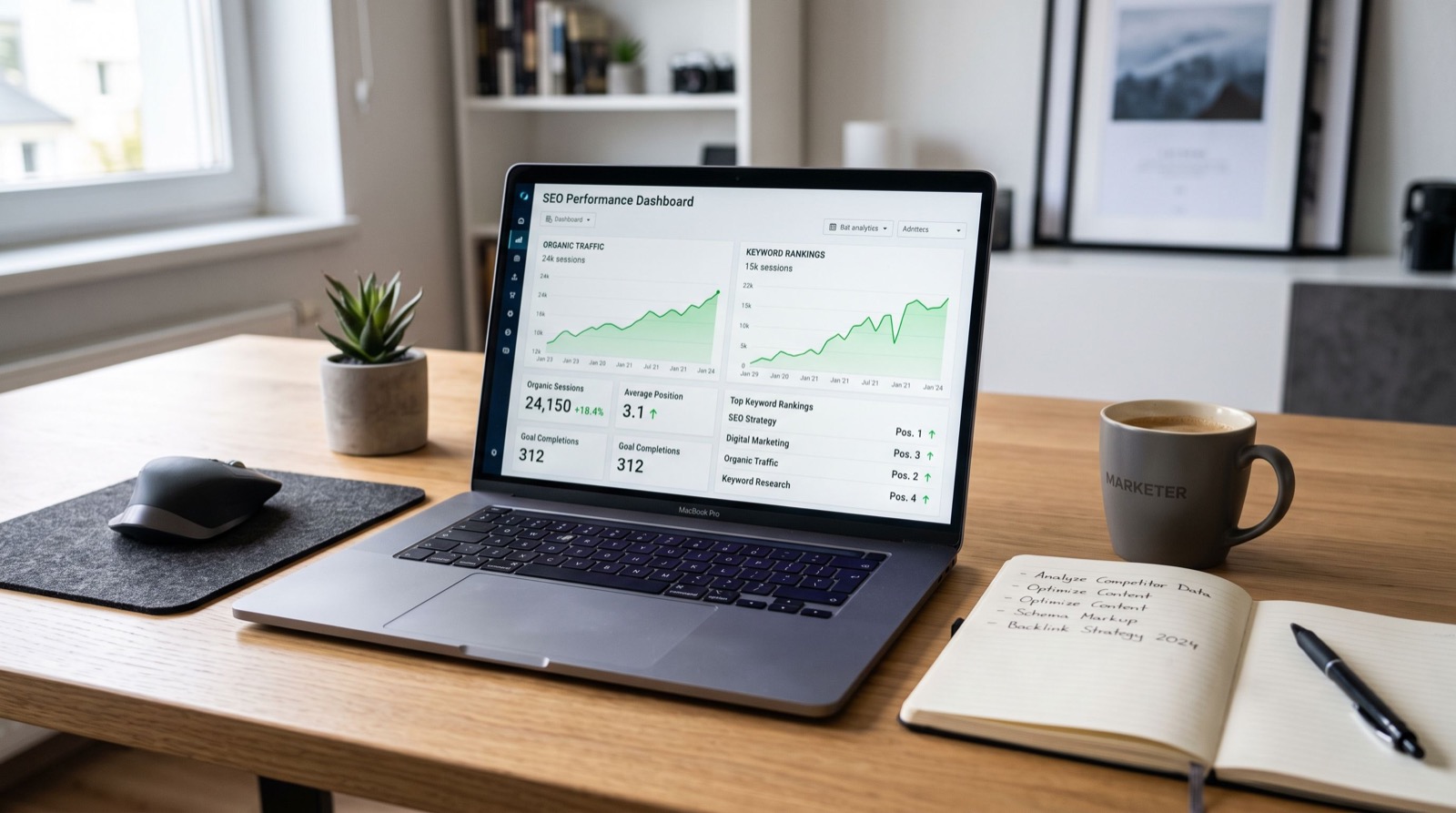
- Analytics and reporting so every decision is grounded in data.
The magic is in the integration. A campaign where SEO, ads, and social reinforce each other outperforms the same channels run in isolation — often dramatically.
The Real Cost of Skipping Professional Marketing
Many business owners try to save money by handling marketing themselves or hiring a single freelancer. Sometimes that works. More often, it produces scattered effort, wasted ad spend, and content nobody sees. The hidden cost isn’t just money — it’s the customers your competitors capture while you experiment.
Professional teams bring proven playbooks, tested tools, and the discipline to measure what works. That’s the difference between spending on marketing and investing in it.
Signs You Need to Bring in Experts
- Your website gets traffic but few inquiries.
- You’re spending on ads without knowing your cost per lead.
- Competitors consistently outrank you on Google.
- Your social accounts are inactive or inconsistent.
If two or more of these sound familiar, it’s time to work with trusted professionals who do this every day.
How to Vet an Agency Before You Sign
Not all agencies are equal, and the wrong choice costs both time and money. Use this checklist to separate the credible from the questionable.
| What to Check | Green Flag | Red Flag |
|---|---|---|
| Reporting | Transparent monthly dashboards | Vague “we’re working on it” |
| Results | Case studies with real metrics | Only screenshots, no context |
| Strategy | Custom plan for your market | One-size-fits-all package |
| Guarantees | Realistic timelines | “Rank #1 in a week” |
| Communication | Fast, clear responses | Days of silence |
When you evaluate a shortlist, treat the decision as seriously as any major purchase for your company. The same care you’d apply choosing trusted professionals for critical office infrastructure applies here — ask questions, compare offers, and demand proof.
Why Location Still Matters for Marketing Partners
Some assume marketing is location-agnostic, but a local partner understands your market’s language, buying habits, and seasonal rhythms. A team offering digital marketing services in Islamabad knows how to tailor campaigns for the twin-city audience, from Ramadan promotions to back-to-school pushes, in a way a distant vendor simply cannot.
Local expertise also helps with Google Business Profile optimization — a channel that drives huge value for service businesses. According to Google Business Profile guidelines, complete, accurate listings earn more visibility and trust, and a local agency knows exactly how to build them out.
Industry-by-Industry: Where Agencies Add the Most Value
Different sectors benefit from different marketing mixes, and a seasoned agency tailors its approach accordingly. Understanding where the leverage lies in your industry helps you set realistic expectations and allocate budget wisely.
- Healthcare and clinics. Local SEO and reputation management dominate, since patients research reviews and proximity before booking. Trust signals matter enormously here.
- Retail and e-commerce. Paid social and shopping ads drive discovery, while email and retargeting recover abandoned carts and boost repeat purchases.
- Real estate. Long-form content, virtual tours, and targeted ads work together to nurture buyers through a long decision cycle.
- Professional services. Authority content and LinkedIn presence build the credibility that converts high-value B2B clients.
- Hospitality. Visual social platforms and Google Business Profile reviews turn browsers into bookings.
A generalist who ignores these differences wastes budget. The right partner speaks your industry’s language and knows which levers to pull first — a level of nuance that separates a true growth partner from a generic vendor.
The Onboarding Process: What to Expect
A professional engagement should feel structured from day one. When you hire an agency, the first few weeks typically follow a clear rhythm that sets the foundation for everything to come.
Expect a discovery phase where they learn your business, goals, and competitors in depth. This is followed by an audit of your current website, rankings, and ad accounts to establish a baseline. From there, the agency presents a tailored strategy with defined milestones and key performance indicators. Only after alignment on that plan does execution begin.
If an agency skips discovery and jumps straight to selling a package, that’s a warning sign. Genuine partners invest time in understanding you before they spend a single rupee of your budget, because a plan built on assumptions rarely delivers.
Measuring Success the Right Way
Vanity metrics like follower counts feel good but rarely pay the bills. Focus instead on the numbers that map to revenue:
- Cost per lead — how much you pay to generate one inquiry.
- Conversion rate — the share of visitors who take action.
- Return on ad spend (ROAS) — revenue earned per rupee of ad budget.
- Organic traffic growth — the long-term health of your SEO.
A trustworthy agency reports on these openly and adjusts strategy when the numbers demand it.
Frequently Asked Questions
How do I know if a digital marketing agency in Pakistan is legitimate?
Look for verifiable case studies, transparent reporting, real client references, and a customized strategy. Avoid anyone promising guaranteed first-page rankings in days — that’s not how search works.
How much should I budget for digital marketing in 2026?
Small businesses often start with monthly retainers in the range of PKR 40,000–100,000 depending on scope. The right number is whatever generates a positive return, so focus on ROI rather than the cheapest option.
Can an agency help if I only need SEO?
Yes. Most agencies offer standalone SEO alongside full-service packages. That said, pairing SEO with paid ads usually delivers faster, more stable results.
How quickly will I see results?
Paid campaigns can generate leads within days, while SEO and content typically take three to six months to compound. A blended approach gives you both speed and staying power.
The Bottom Line
The businesses winning in 2026 aren’t necessarily the biggest — they’re the ones with the smartest, most consistent marketing. Choosing the right digital marketing agency in Pakistan gives you the strategy, tools, and accountability to compete and grow. Vet carefully, insist on transparency, and treat your marketing spend as the investment it truly is.