Pooper Scooper Hygiene: Protect Your Family’s Health in 2026
Every dog owner loves the wagging tail and the muddy paws, but few stop to think about what gets left behind in the yard. A reliable pooper scooper is not just a convenience tool; in 2026 it is a frontline defense for your family’s health. Dog waste carries parasites and bacteria that can move from grass to shoe to kitchen floor in minutes, and children who play outdoors are especially exposed.
This guide explains the real hygiene risks hiding in uncollected waste, and how a smart cleanup routine keeps kids, pets, and neighbors safe. The goal is simple: turn an unpleasant chore into a fast, sanitary habit you never skip.
Why a Pooper Scooper Is a Health Tool, Not Just a Yard Tool
Dog feces is far from harmless fertilizer. A single gram can contain millions of bacteria, plus the eggs of intestinal parasites that survive in soil for months or even years. When you rely on a proper pooper scooper instead of a flimsy bag and a quick grab, you break the chain of contamination before it reaches your home.
The U.S. Centers for Disease Control and Prevention notes that several parasites and bacteria in dog stool can infect people, particularly young children. You can review their guidance on healthy pet habits at the CDC Healthy Pets resource. Prompt, hands-free removal is the easiest way to reduce that exposure.
The Hidden Passengers in Dog Waste
- Roundworms (Toxocara): Their eggs can linger in soil and cause serious illness if ingested by children.
- Hookworms: Larvae can penetrate bare skin, leading to itchy, painful infections.
- Giardia: A microscopic parasite that triggers stubborn gastrointestinal illness in humans and pets alike.
- E. coli and Salmonella: Bacteria that spread easily from contaminated surfaces to hands and food.
- Whipworms and tapeworms: Additional intestinal threats that thrive when waste sits untouched.
These organisms do not vanish with a rainstorm. Rain often spreads them across the lawn and into storm drains, which is why leaving waste in place is riskier than many owners assume.
How Does Dog Waste Actually Threaten Your Yard and Kids?
Think about the path waste takes. A dog goes in the corner of the yard, a child crawls or plays in the grass, and then hands go to the mouth. That short journey is all a parasite egg needs. Toddlers and pets are closest to the ground, so they carry the highest risk.
Bare feet are another route. Hookworm larvae can burrow through skin during a barefoot walk across contaminated turf. Even adults gardening without gloves can pick up an infection from soil that looks perfectly clean.
Consistent removal with a sturdy scooper, paired with strong heavy duty garbage bags, keeps these pathogens contained and out of the play zone. Weak bags that tear defeat the entire purpose and expose you to what you are trying to remove.
Comparing Cleanup Methods
| Method | Hygiene Level | Best For | Health Drawback |
|---|---|---|---|
| Bare hand and single bag | Low | Emergencies only | Direct contact risk; bags tear |
| Long-handle pooper scooper | High | Yards and daily use | Minimal when paired with strong bags |
| Rake and pan set | Medium | Large lawns | Hard to sanitize; awkward on hard surfaces |
| Flushing or composting | Variable | Eco-minded owners | Not safe for all systems or gardens |
A long-handle tool wins for most families because it keeps your hands far from the waste while giving you the leverage to lift cleanly off grass, gravel, or concrete.
Building a Safe Cleanup Routine
Good hygiene is about repetition, not intensity. A quick daily pass beats a dreaded monthly marathon that leaves parasites time to spread. Follow this simple routine to protect everyone at home.
- Scoop daily. Fresh waste is easier to lift and less likely to contaminate soil.
- Bag it securely. Seal waste in a tear-resistant bag before it touches your bin.
- Sanitize your tools. Rinse and disinfect the scooper head after each use.
- Wash your hands. Scrub for at least 20 seconds even if you never touched the waste.
- Keep play areas separate. Train your dog to use one zone away from where kids play.
One original tip from experienced owners: keep a dedicated pair of yard shoes by the door. Tracking contaminated soil onto carpet is one of the most overlooked ways parasites enter the home.
Choosing Gear That Keeps You Clean
Not all equipment protects you equally. A quality Pooper scooper should offer a long handle, a strong jaw or rake, and a design that works on multiple surfaces without bending or spraying. Durability matters because a tool that fails mid-scoop puts you right back in contact with waste.
Pair the scooper with thick, leak-proof bags rated for pet waste. When you dispose of larger volumes, professional-grade heavy duty garbage bags prevent punctures that let odor and bacteria escape into your trash area.
If you manage a rental, a shared property, or simply want the job done for you, some households hire quality service providers to keep outdoor spaces sanitary on a schedule.
Protecting Public and Community Health
Your cleanup habits reach beyond your own fence. Uncollected waste on sidewalks and in parks washes into waterways, contributing to bacterial pollution that affects entire communities. The American Veterinary Medical Association encourages responsible pet ownership, including prompt waste removal, as a public health practice; you can learn more through the AVMA pet owner resources.
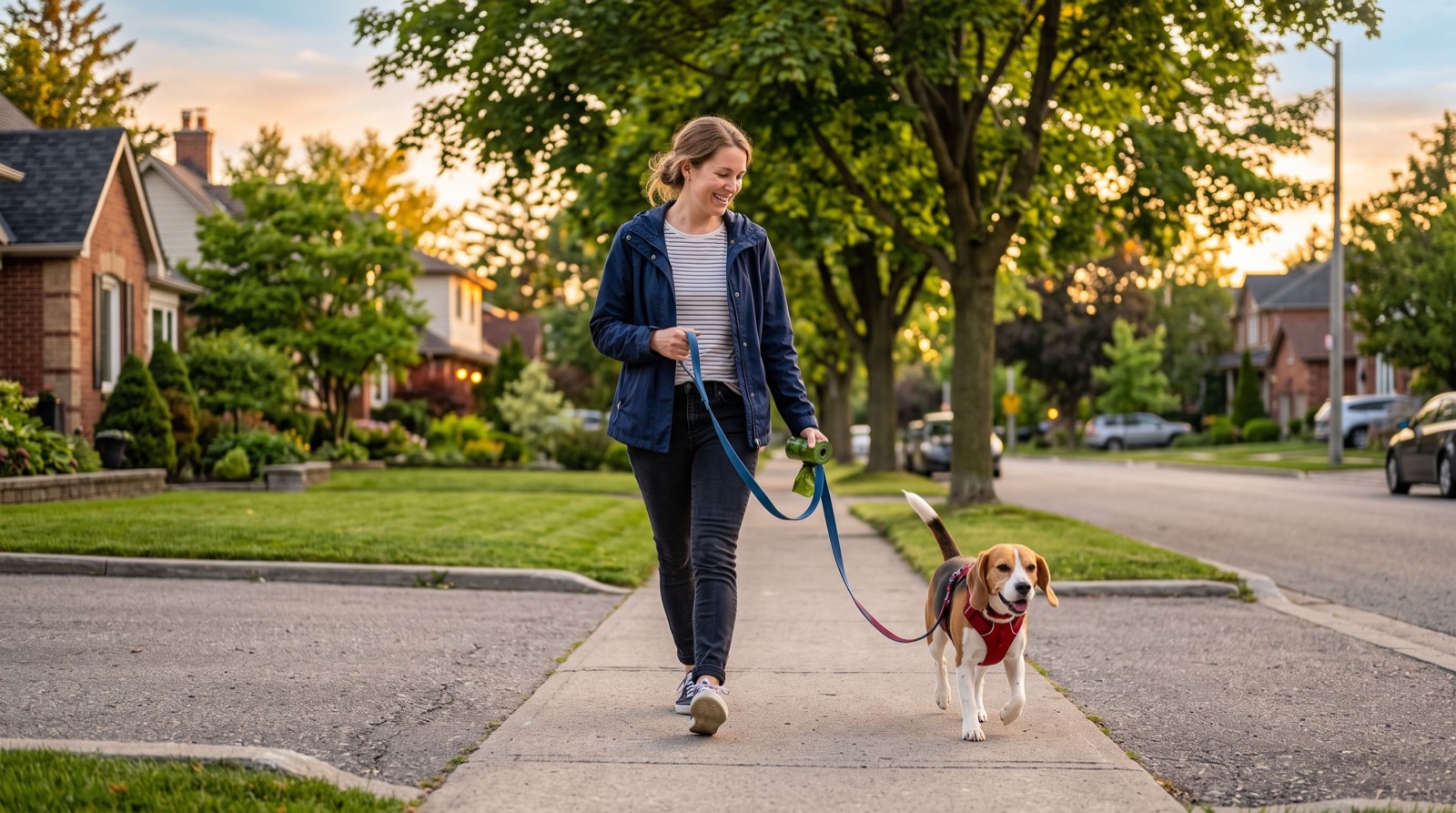
Carrying a scooper or bags on every walk signals good citizenship and keeps shared spaces safe for the next family. Small habits, multiplied across a neighborhood, make a measurable difference in local water quality and green-space safety.
Frequently Asked Questions
Can dog poop really make my kids sick?
Yes. Parasites such as roundworms and hookworms, along with bacteria like Salmonella, can transfer from dog waste to children through soil, hands, and bare skin. Prompt removal with a pooper scooper and good handwashing dramatically lowers that risk.
How often should I clean up my yard?
Daily is ideal. Fresh waste is easier to remove and gives parasite eggs less time to contaminate the soil. If daily is not possible, aim for every other day and never let waste accumulate for a week.
Are compostable bags safe for dog waste?
They can be, but most home compost systems do not reach the temperatures needed to kill parasites, so dog-waste compost should never touch vegetable gardens. For everyday disposal, sealed heavy duty garbage bags in the trash are the safer choice.
Does rain wash the harmful parasites away?
No. Rain often spreads pathogens across your lawn and into storm drains rather than removing them. That is exactly why scooping before bad weather matters so much for both your yard and local waterways.
Final Thoughts: A Cleaner Yard Is a Healthier Home
Protecting your family from parasites and bacteria starts with a habit almost anyone can master. A dependable pooper scooper, strong bags, and a daily routine transform an unpleasant chore into a powerful health safeguard for kids, pets, and neighbors in 2026. The payoff is a yard you can trust and a home free of tracked-in contamination.
Ready to make cleanup safer and easier? Explore durable, hygienic scoopers and leak-proof waste bags at GoGo Stik today, and give your family the clean, worry-free outdoor space they deserve.