
Reliable dry storage is the unsung hero of both household organization and business logistics in 2026. From surplus furniture and documents to packaged goods and restaurant supplies, a clean, climate-stable space keeps your belongings safe without the cost of refrigeration.
What Is Dry Storage and Who Uses It?
Dry storage refers to secure, ventilated space kept at a stable ambient temperature, usually between 15°C and 25°C, without any active refrigeration. It suits the vast majority of items that do not spoil but still need protection from heat, dust, moisture, and pests.
The appeal is simple: it costs far less than chilled or frozen units yet still guards your possessions. That value makes dry storage the default choice for families decluttering a home and for businesses managing overflow inventory.
Homeowners use it during moves and renovations, while companies rely on it for archives, packaging, and seasonal stock. The United States Environmental Protection Agency guidance on mold and moisture notes that controlling humidity below 60% is the key to preventing mold growth, which is exactly why ventilation matters so much in a good dry unit.
Why Do Businesses Choose Dry Storage?
For most commercial goods, refrigeration is simply unnecessary and wasteful. Dry storage delivers the protection these items need at a fraction of the cost, freeing budget for other priorities.
Retailers stash seasonal displays, offices archive records, and manufacturers hold raw packaging materials. Each of these use cases shares a common need: a secure, stable space that keeps stock in ready-to-use condition.
Restaurants and Food Service
Food businesses depend heavily on dry storage for staples like rice, flour, canned goods, oils, and paper products. Keeping these items organized and protected prevents waste and speeds daily prep.
Growing kitchens that outgrow their back rooms often rent dedicated Storage for Restaurants to hold bulk supplies, seasonal equipment, and event stock, freeing valuable on-site space for actual cooking.
Dry, Chilled, or Frozen: Which Do You Need?
Matching the item to the right environment saves money and prevents damage. This quick comparison clarifies where each option fits.
| Type | Temperature | Typical Items | Relative Cost |
|---|---|---|---|
| Dry | 15°C to 25°C | Furniture, documents, packaged goods | Lowest |
| Chilled | 2°C to 8°C | Produce, dairy, medicine | Higher |
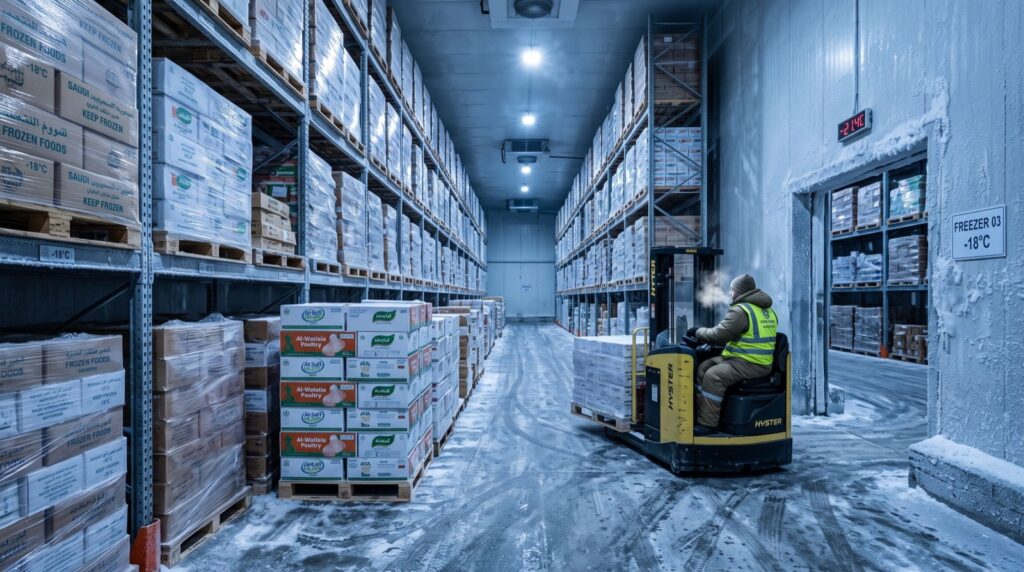
| Frozen | -18°C or lower | Meat, seafood, ice cream | Highest |
If your goods do not spoil, dry storage is almost always the right and most economical answer. Providers like units.sa offer flexible Dry Storage in sizes that scale from a single room’s worth of furniture to a full warehouse pallet layout.
How to Prepare Items for Dry Storage
Good preparation protects your belongings and makes retrieval painless later. A little effort upfront prevents dust, damage, and frustration down the line.
- Clean everything first so no food residue or moisture invites pests.
- Use uniform boxes that stack neatly and label them clearly.
- Disassemble bulky furniture to save space and avoid breakage.
- Add moisture absorbers in boxes holding paper or fabric.
- Leave aisles so you can reach items without unpacking everything.
Working with reputable service experts who handle packing and logistics can save hours, especially during a stressful move or a large inventory relocation.
A Practical Insight
Here is a tip most people learn the hard way: create a simple inventory list as you pack, noting which box holds what and where it sits in the unit. When you need one item months later, that list turns a frantic search into a two-minute retrieval. Photograph valuable pieces too, so their condition is documented.
How Do You Choose the Right Dry Storage Unit?
Picking the correct size and facility avoids both overpaying and running out of room. Follow a clear process rather than guessing.
- List every item you plan to store and estimate its footprint.
- Add a small buffer for future additions and easy access.
- Confirm the facility offers ventilation and pest control.
- Check security features such as cameras and controlled access.
- Compare flexible rental terms so you can adjust as needs change.
Ventilation deserves special attention. A well-aired unit keeps humidity in check, which is the single biggest factor in preventing mold on furniture, documents, and fabrics over the long term.
Dry Storage for Home Life Transitions
Life rarely stands still, and dry storage smooths the bumps during major transitions. Whether you are moving, renovating, or downsizing, a flexible unit gives you breathing room when your home cannot hold everything at once.
During a move, timing rarely lines up perfectly. Storage bridges the gap between leaving one place and settling into the next, so you avoid rushed decisions and cramming boxes into a garage.
Renovations create similar chaos. Clearing a room into secure storage protects furniture from dust and paint while giving contractors the space they need to work efficiently. Once the work is done, your belongings return unharmed.
Families welcoming new members or blending households also lean on dry storage to manage the sudden surge of belongings. Keeping items safe and accessible reduces stress during an already busy chapter, which is exactly what good storage should do.
Security and Peace of Mind
Protecting your belongings is about more than temperature and dust. A trustworthy facility invests in security so you never lie awake wondering about your possessions.
- Controlled access so only authorized people enter the premises.
- Surveillance cameras monitoring common areas around the clock.
- Individual locks that keep each unit private and secure.
- On-site staff who notice and respond to anything unusual.
Before choosing a facility, visit in person if you can. A clean, well-lit, and clearly monitored site tells you a great deal about how seriously the operator takes your belongings. That first impression is usually accurate, and it gives you genuine peace of mind for the entire rental period.
Frequently Asked Questions
Is dry storage safe for wooden furniture?
Yes, as long as the unit stays well ventilated and dust free. Cleaning the furniture first and adding moisture absorbers protects the wood from warping and mildew during long stays.
How is dry storage cheaper than chilled storage?
Dry storage uses no active refrigeration, so it consumes far less energy. That saving passes to you as a lower rental rate, making it the economical choice for any non-perishable item.
Can I store important documents in a dry unit?
Absolutely. Documents thrive in stable, dry conditions. Use sealed boxes with moisture absorbers and keep them off the floor to guard against any accidental dampness.
How long can I keep items in dry storage?
There is no strict limit. With flexible monthly terms, you can store items for weeks or years. Just visit occasionally to check condition and confirm ventilation is doing its job.
Reclaim Your Space Today
Whether you are decluttering a home or scaling a business, dry storage offers a secure, affordable way to protect what matters most in 2026. By preparing items properly, choosing a ventilated and secure facility, and using flexible terms, you gain room and peace of mind. Contact a trusted provider now, request a size recommendation, and give your belongings the safe home they deserve.